From Safari Guide to Sculptor – The Wilderness Was My Classroom
How years spent in the African bush continue to influence my work in bronze.
I never went to art school. In many ways, the wilderness was my classroom.
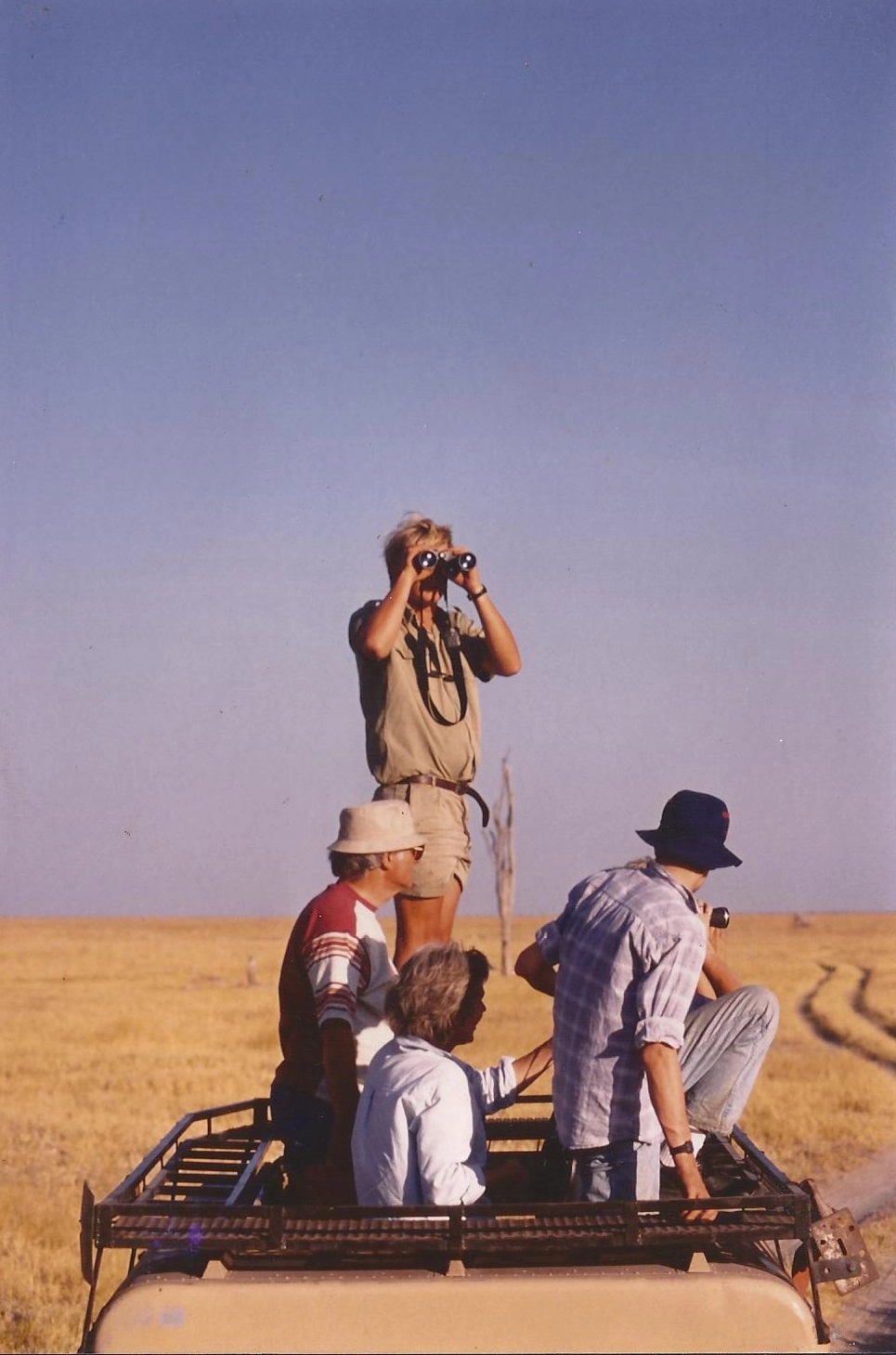
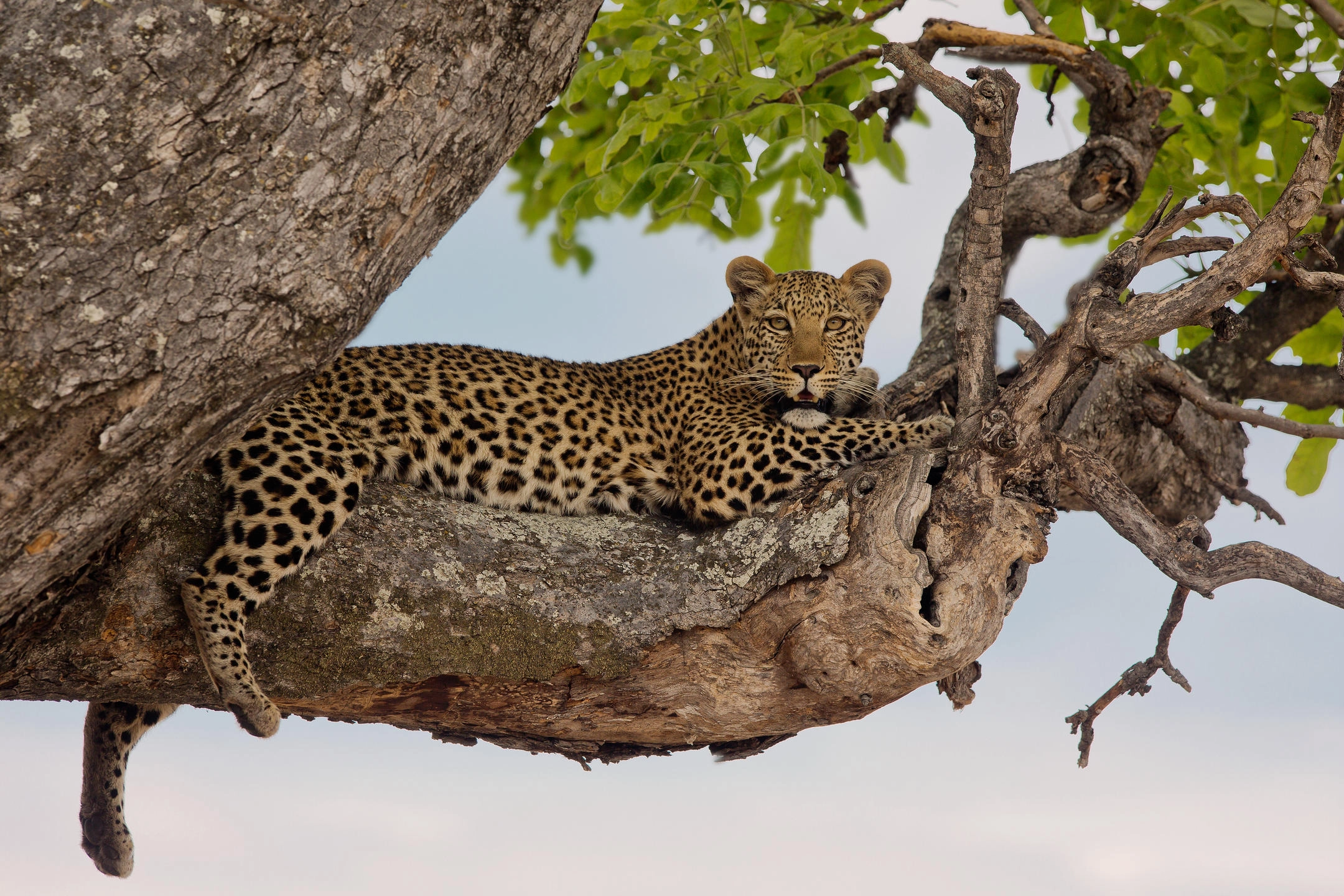
Before becoming a sculptor, I spent 12 years working as a professional safari guide in South Africa and Botswana’s Okavango Delta. Guiding meant spending day after day watching wildlife in its natural environment – not only identifying animals, but observing how they stand, move, interact and behave.
Those years still influence the way I approach wildlife sculpture today. There are things you begin to recognise after spending enough time with an animal: the weight and stance of a buffalo, the movement of an elephant, the alert posture of an antelope or the quiet confidence of a big cat.
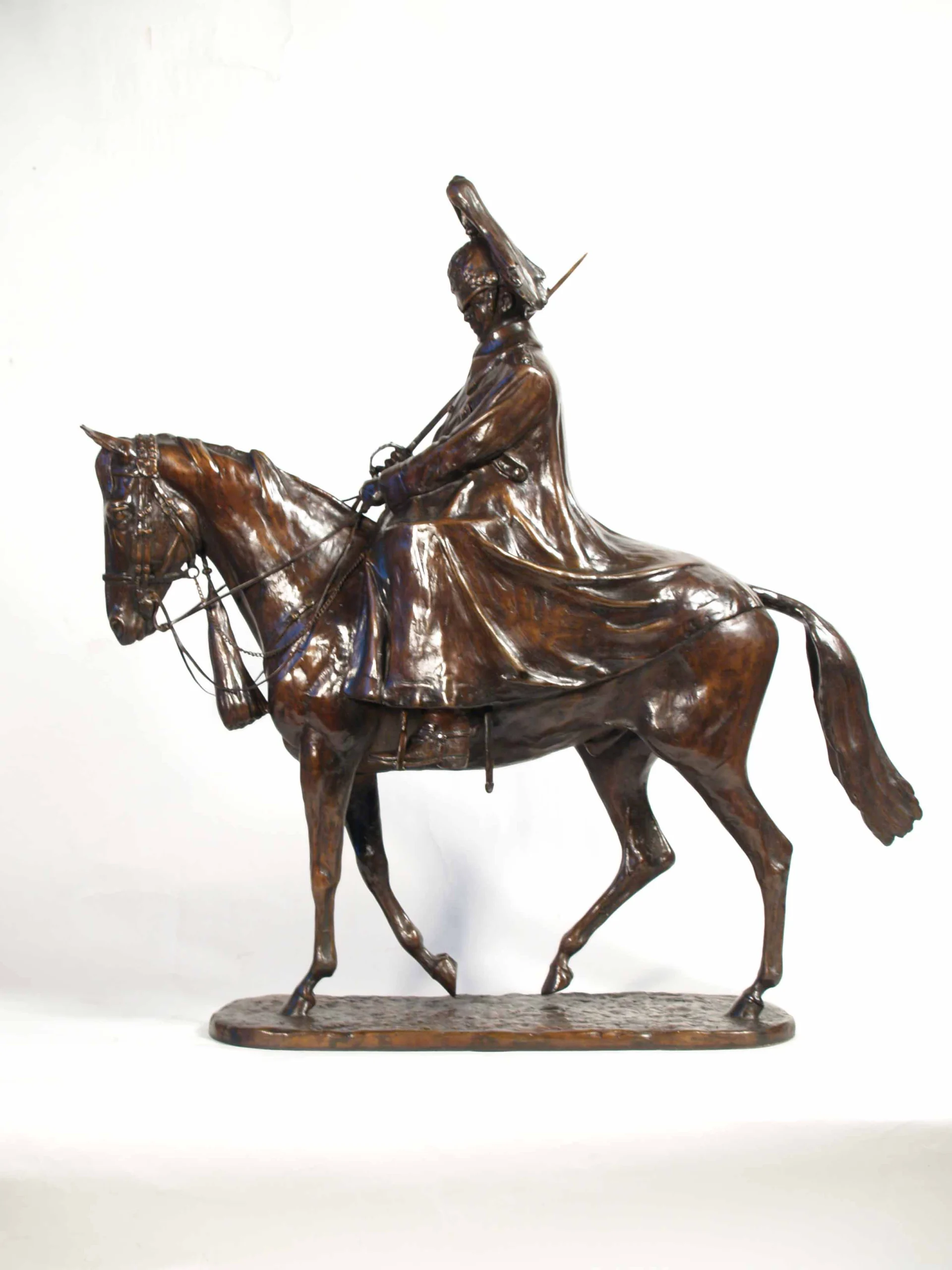
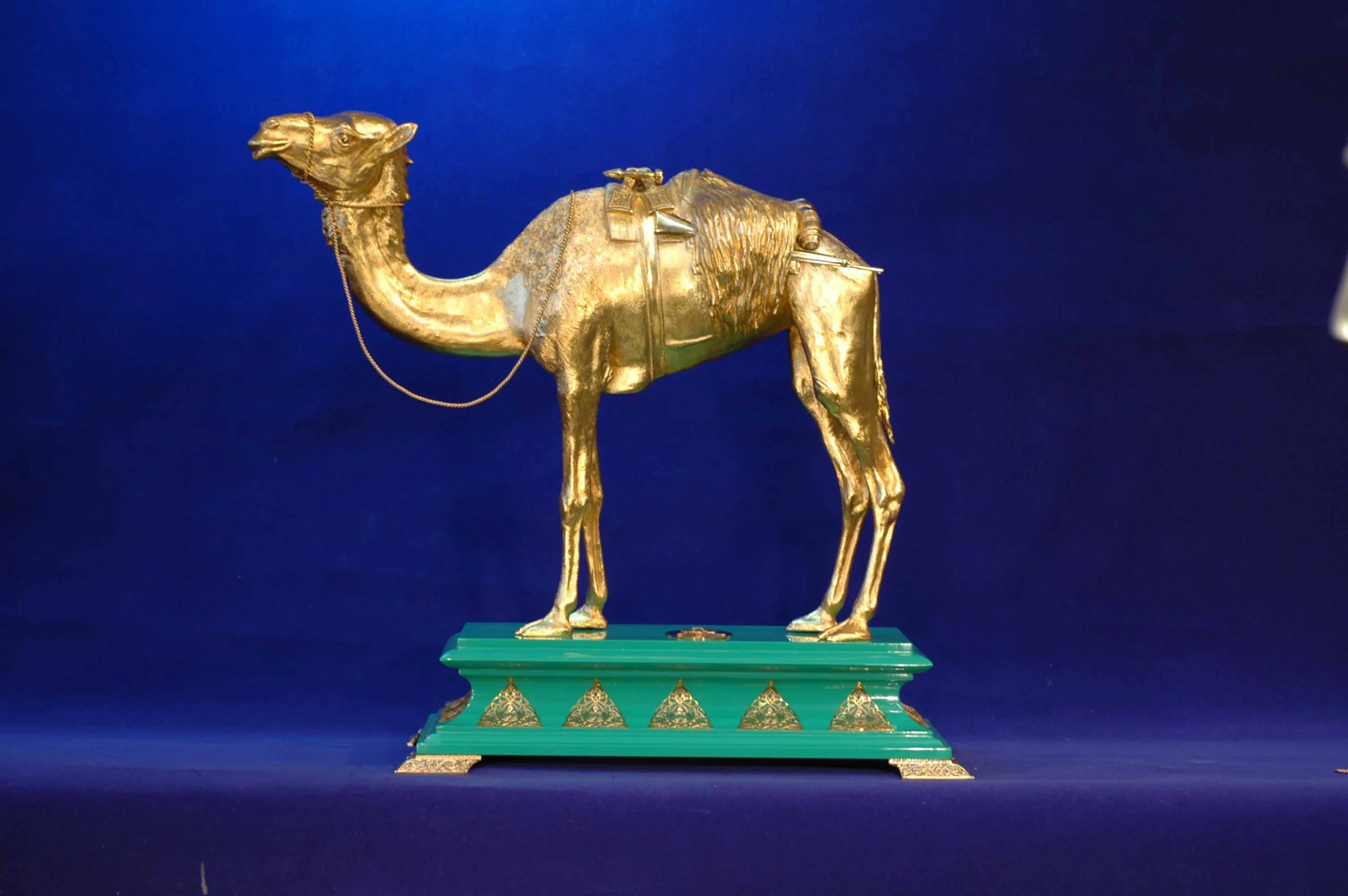
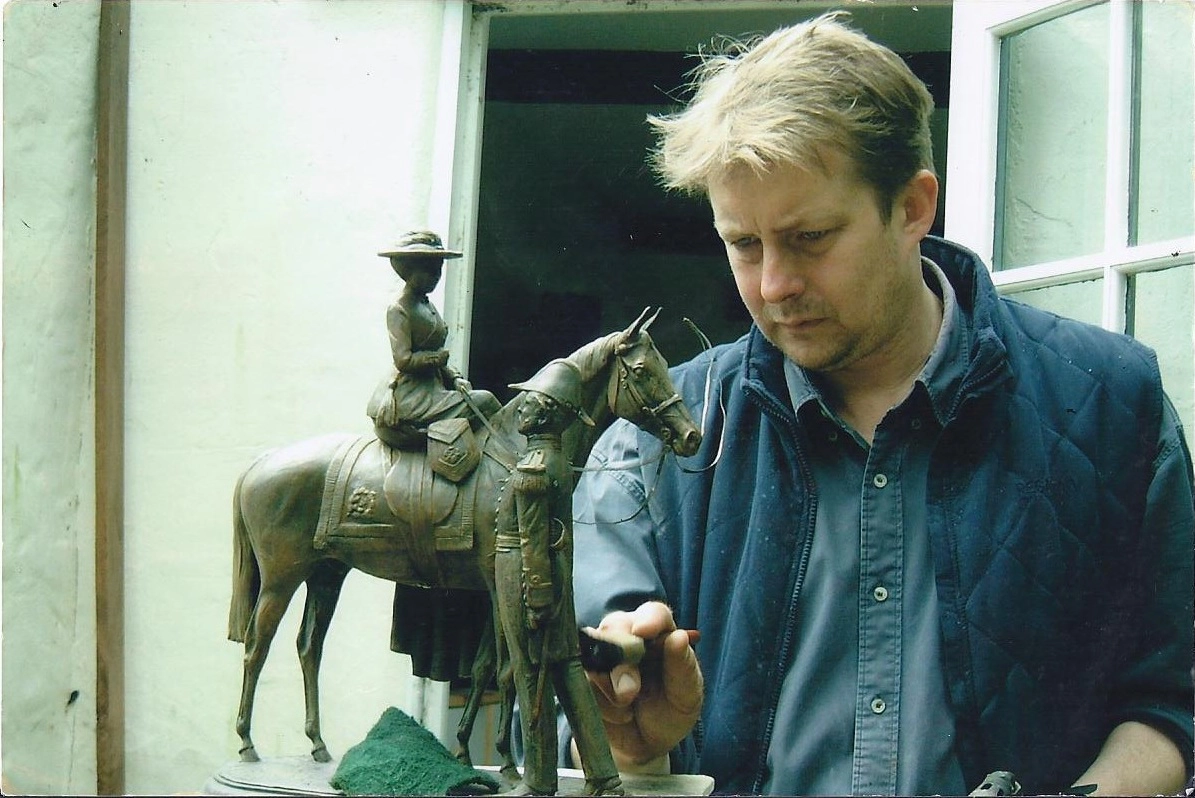
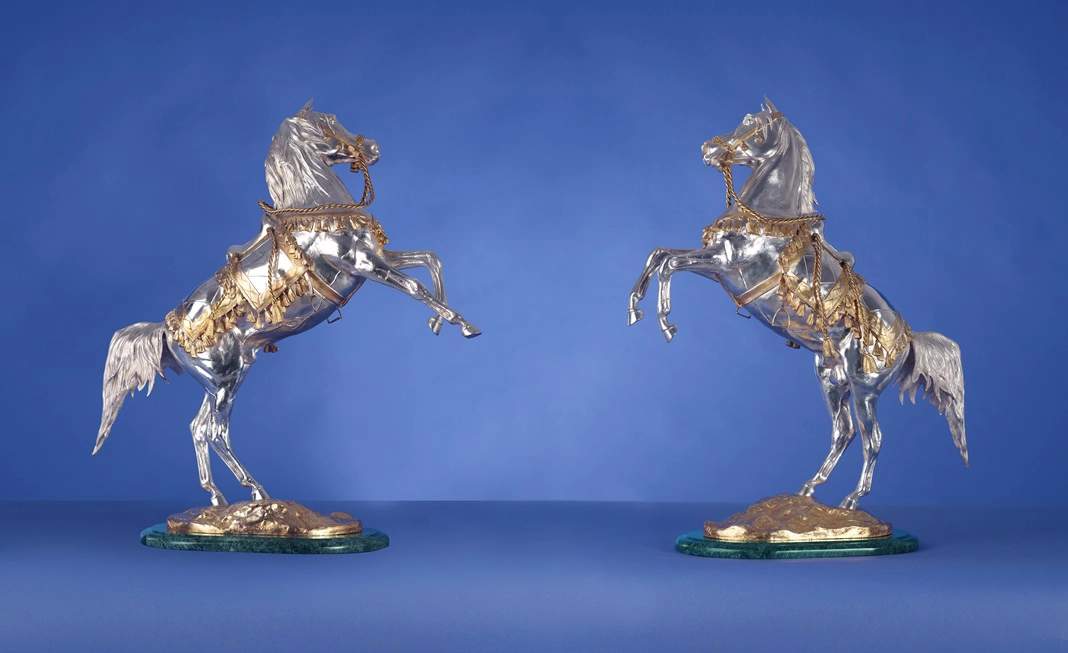
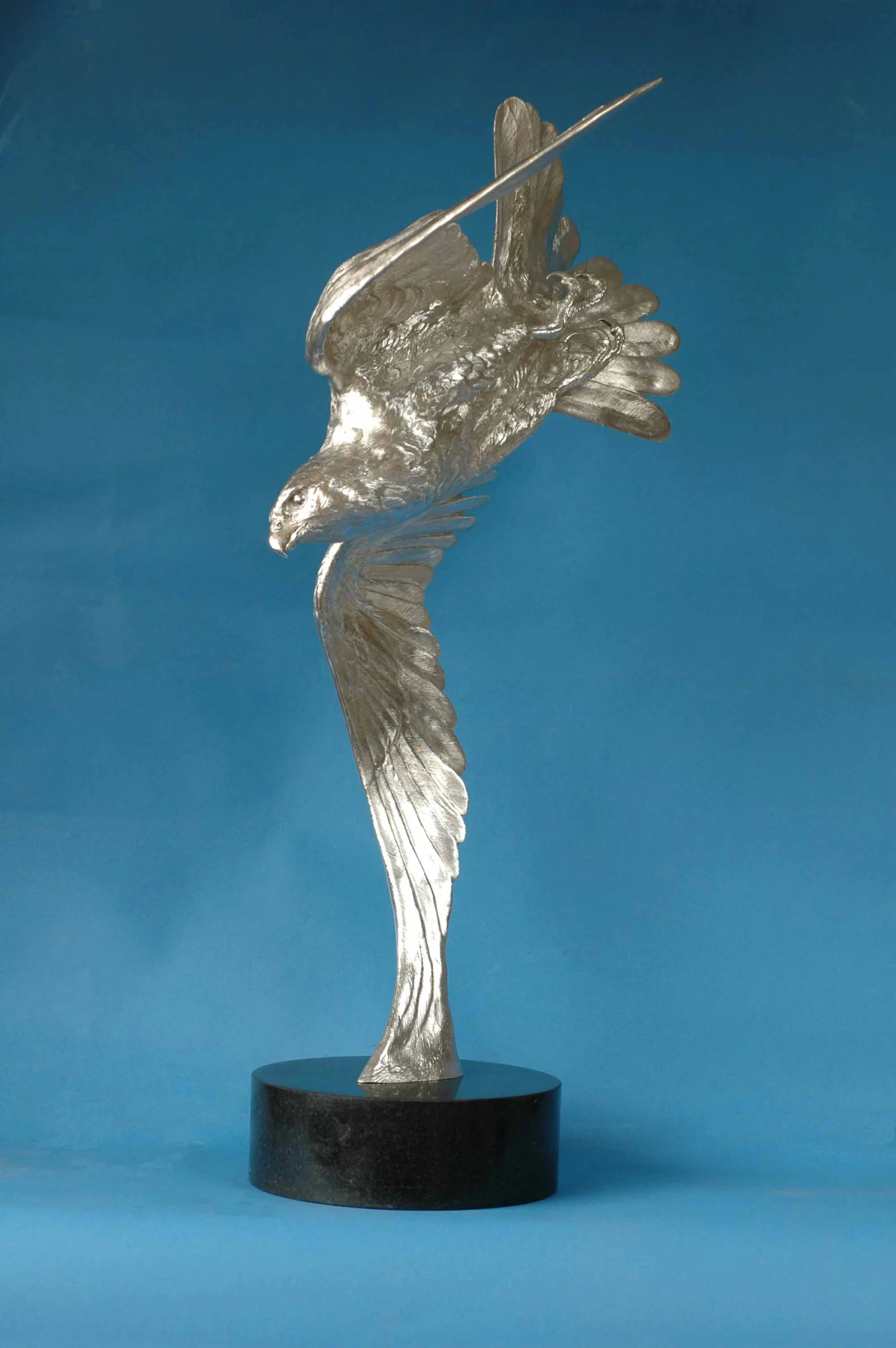
My route from the bush to bronze was not a direct one. After leaving Botswana, I spent 10 years in London, where I taught myself fine metalworking and specialised in chasing and finishing bronze and silver sculpture. I worked on the sculptures of established equine and wildlife artists, developing the metalworking and finishing skills that would later become an important part of my own work.
It was only after returning to South Africa that I began sculpting in my own right. Perhaps inevitably, I returned to the subjects I knew best.
Today I sculpt, cast, chase, finish and patinate my work in my own foundry in Pretoria. The materials and techniques came later, but the starting point remains much the same as it was during my guiding years: looking closely.
The bush has a way of teaching you if you’re willing to watch and listen.